Hotels
Hotels in Switzerland: what the stars mean, when prices fall, the tourist tax on every bill, half board in the mountains, and how to compare rates across the big booking sites at once.
Find a hotel in Switzerland
Compare prices from hundreds of booking sites at once, for city hotels, mountain lodges and apartments across the country.
Swiss destinations
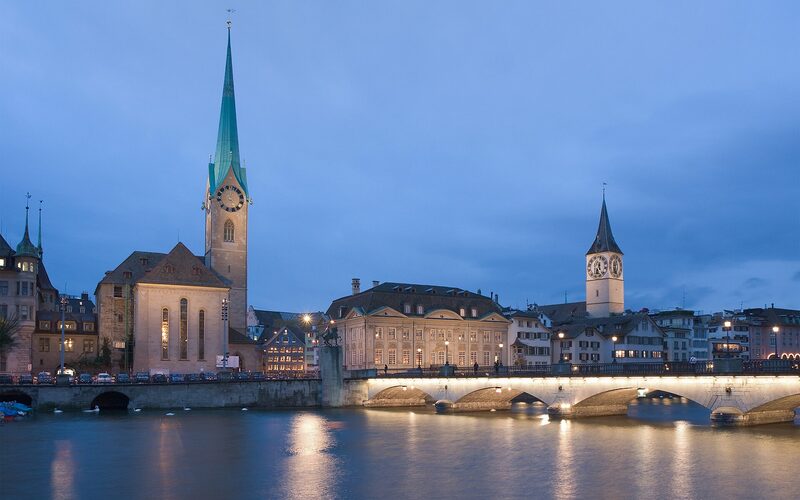 Zürich
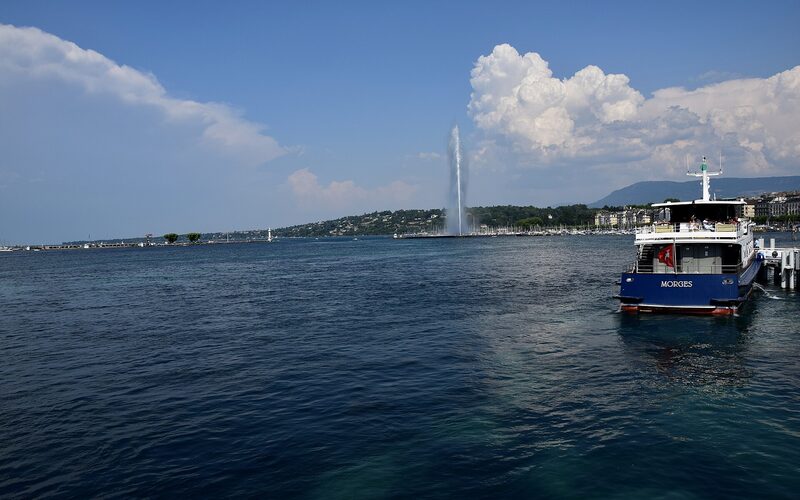 Genève
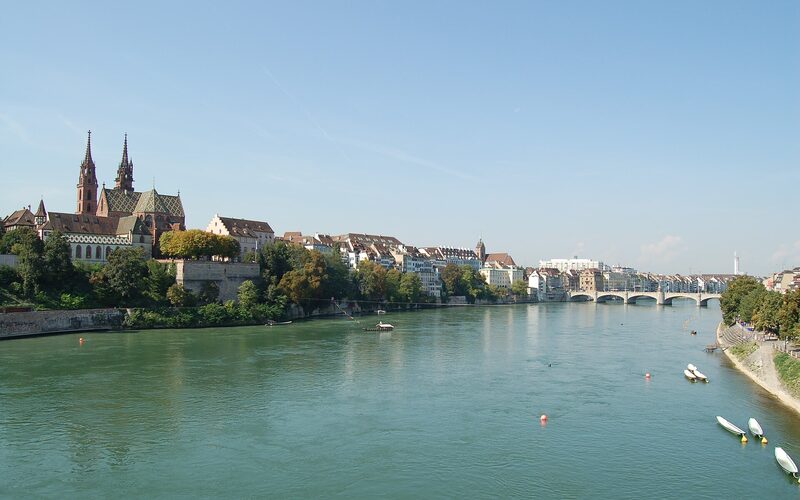 Basel
Basel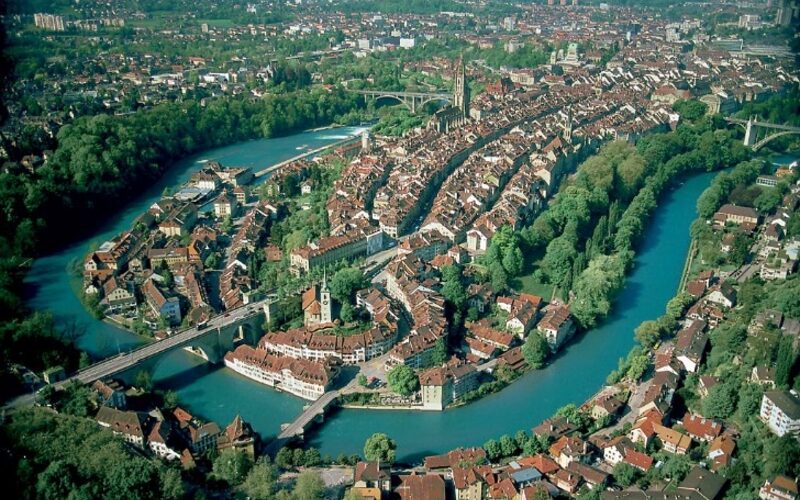 Bern
Bern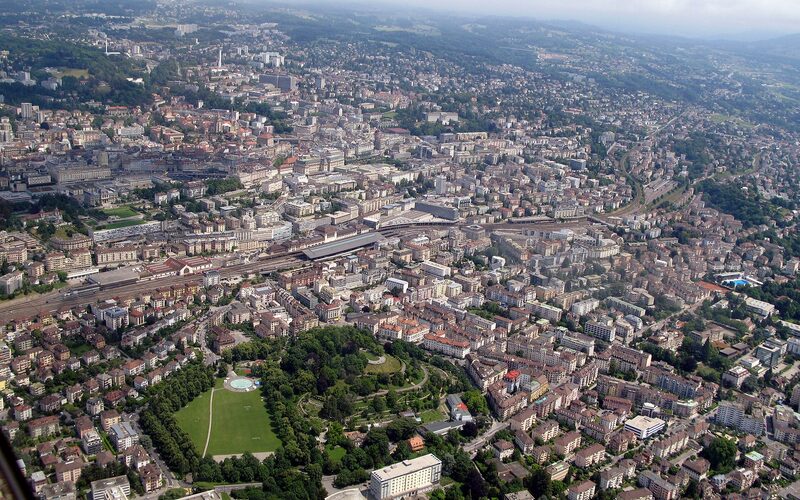 Lausanne
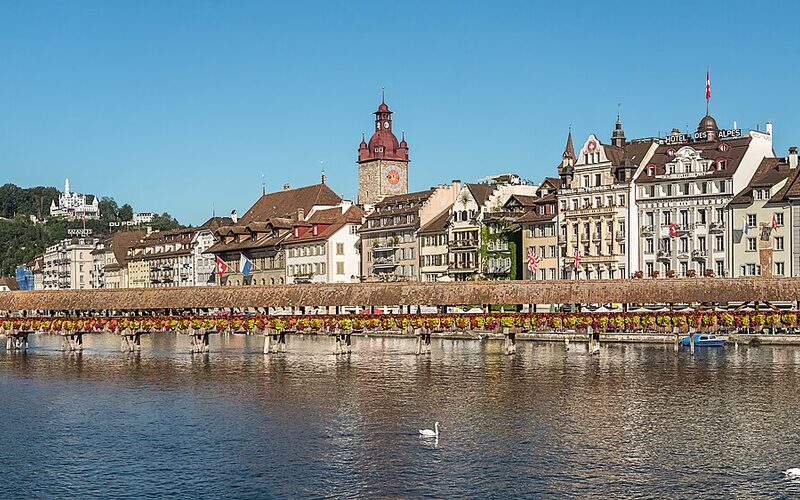 Luzern
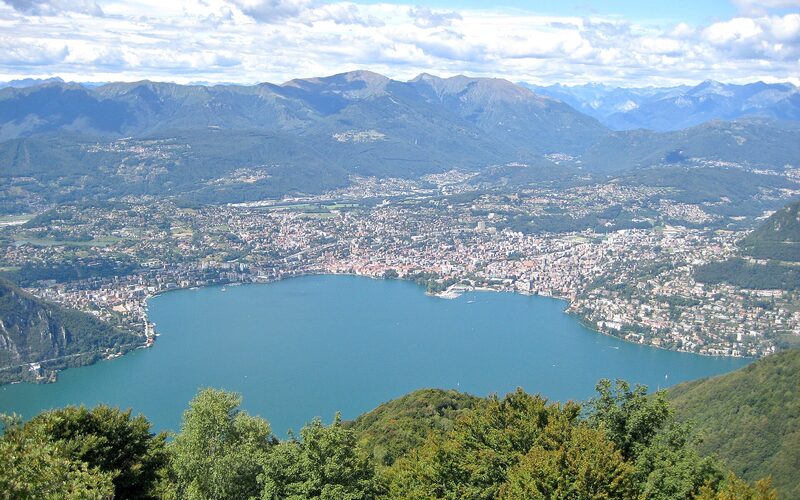 Lugano
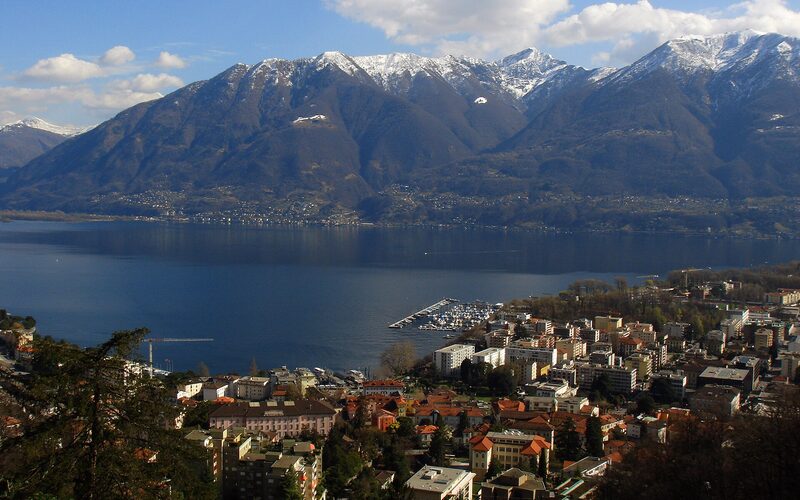 Locarno
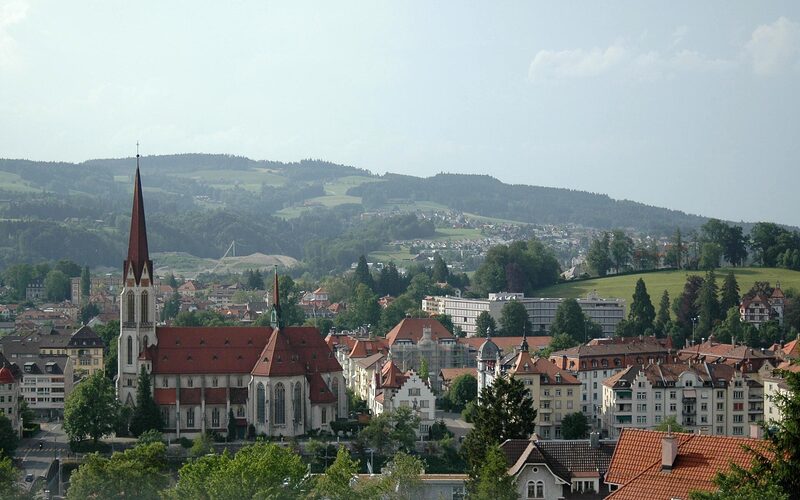 St. Gallen
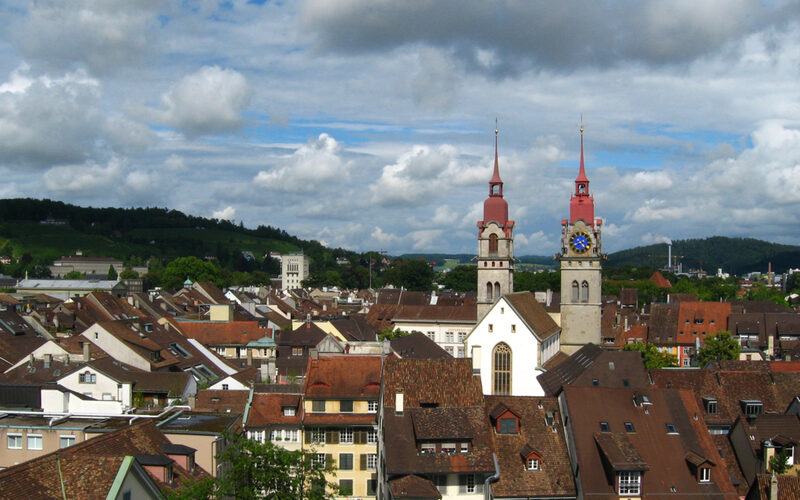 Winterthur
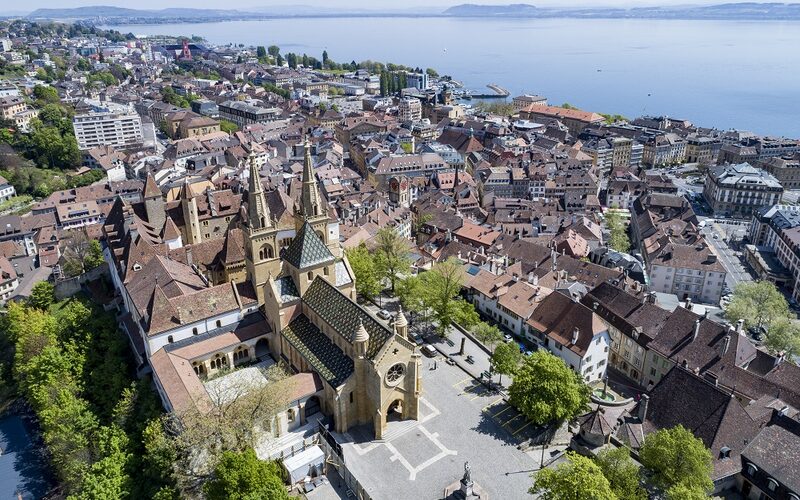 Neuchâtel
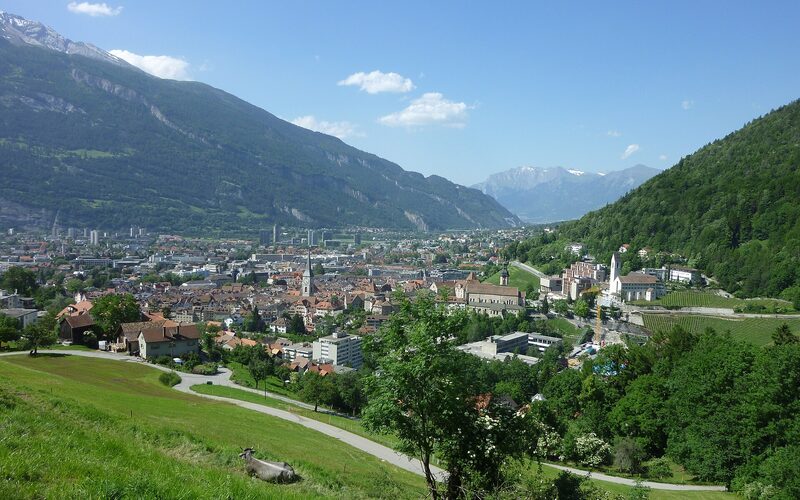 Chur
Chur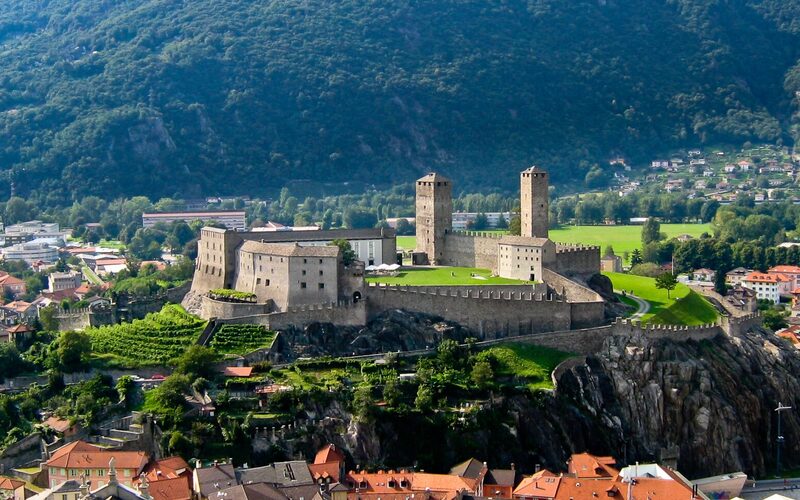 Bellinzona
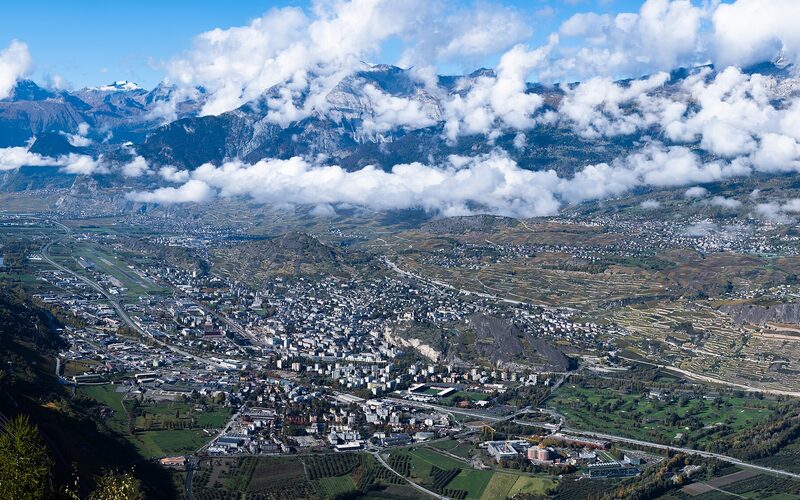 Sion
Sion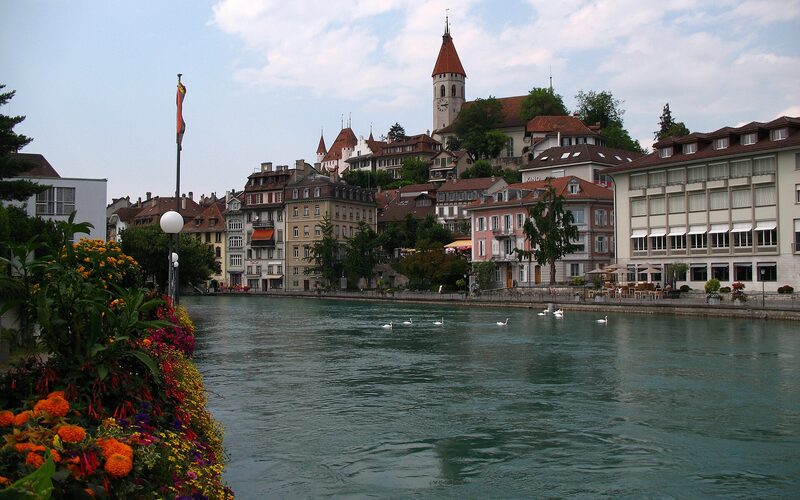 Thun
Thun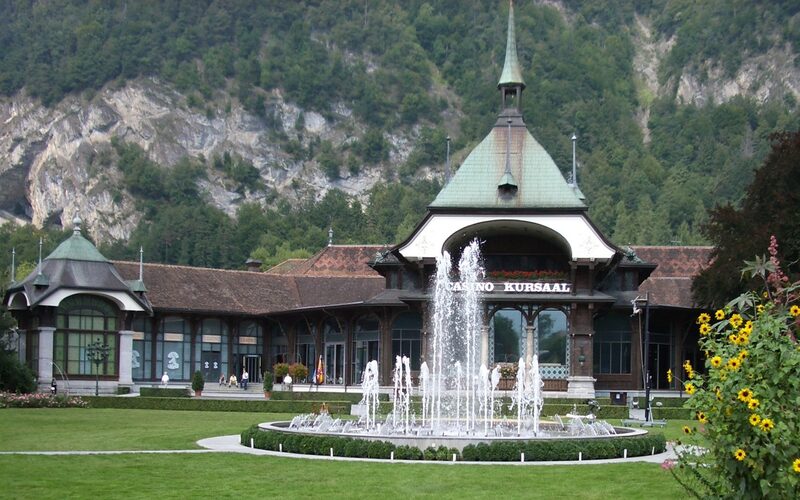 Interlaken
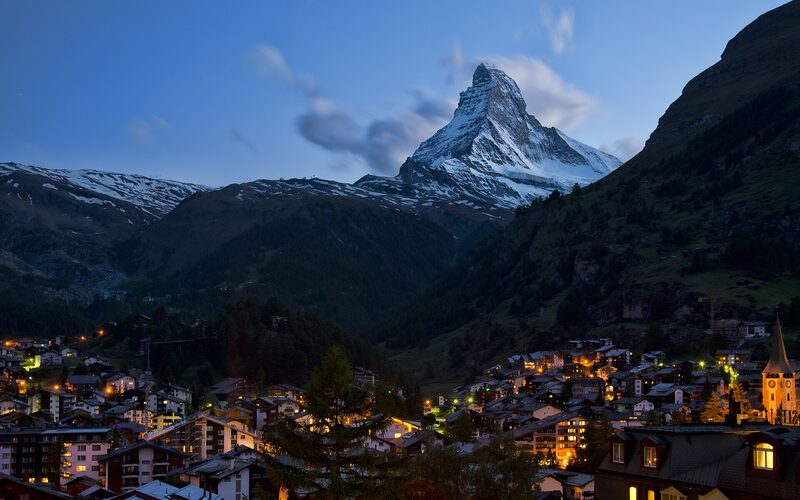 Zermatt
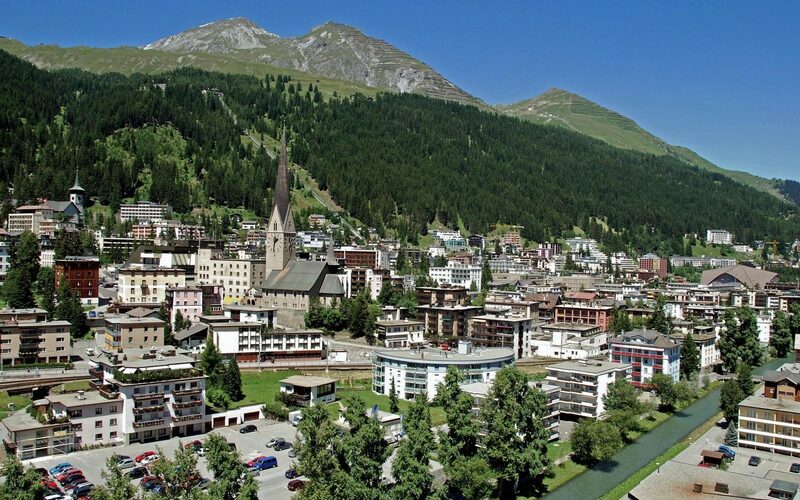 Davos
Davos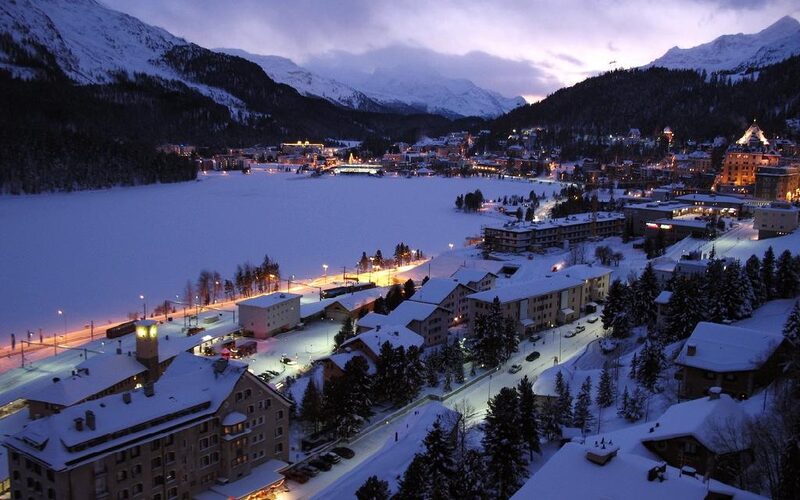 St. Moritz
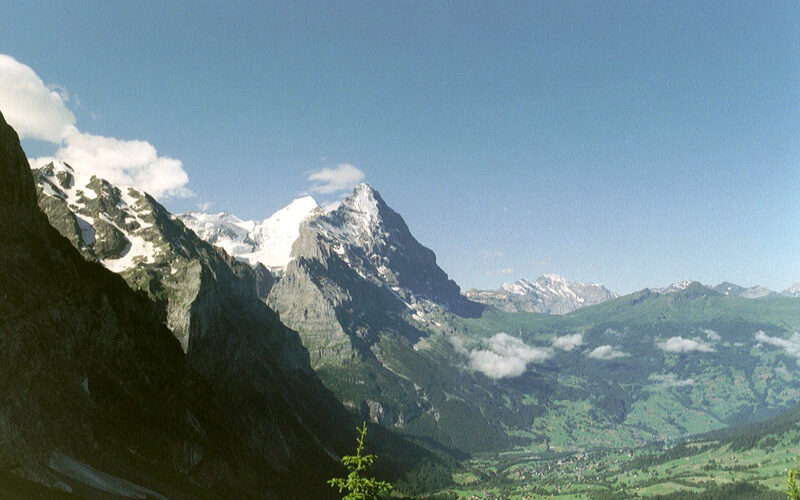 Grindelwald
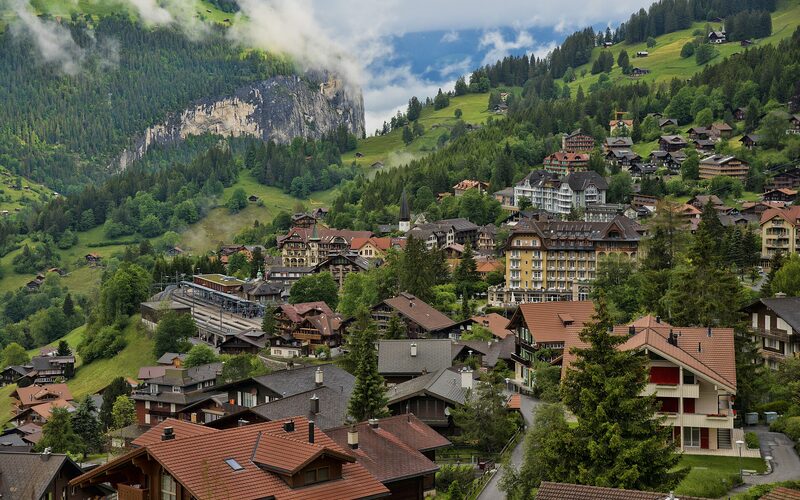 Wengen
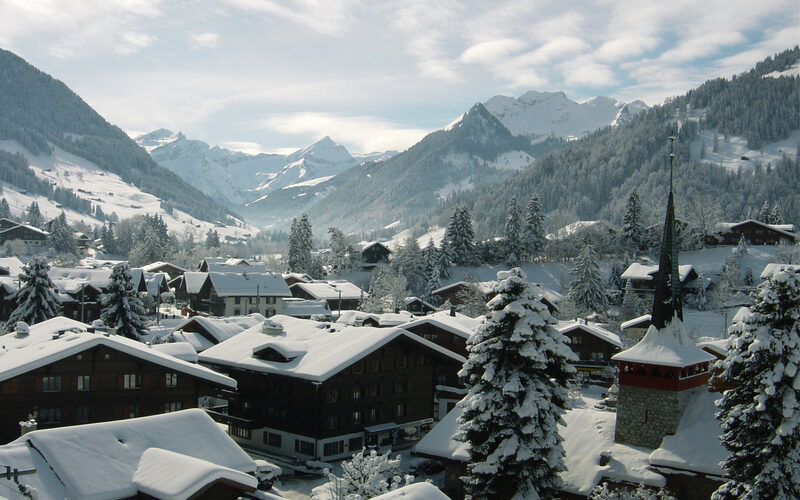 Gstaad
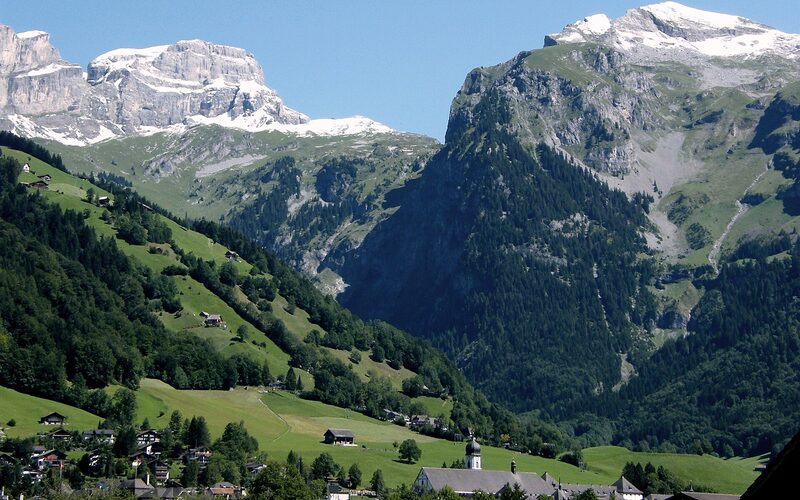 Engelberg
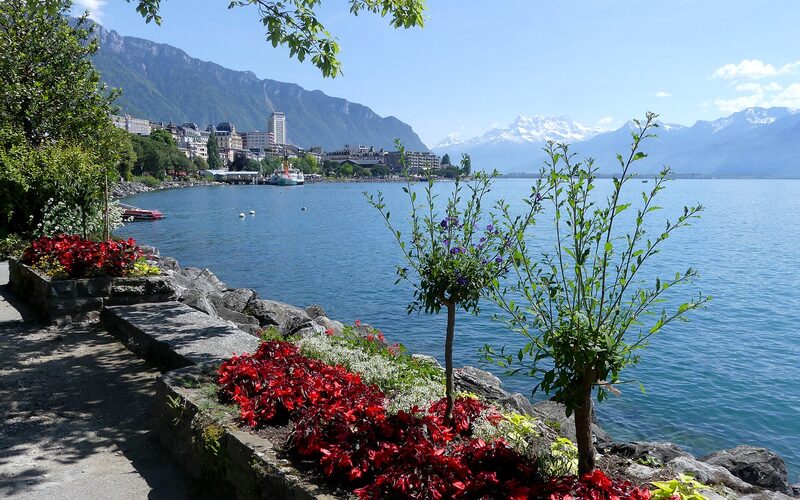 Montreux
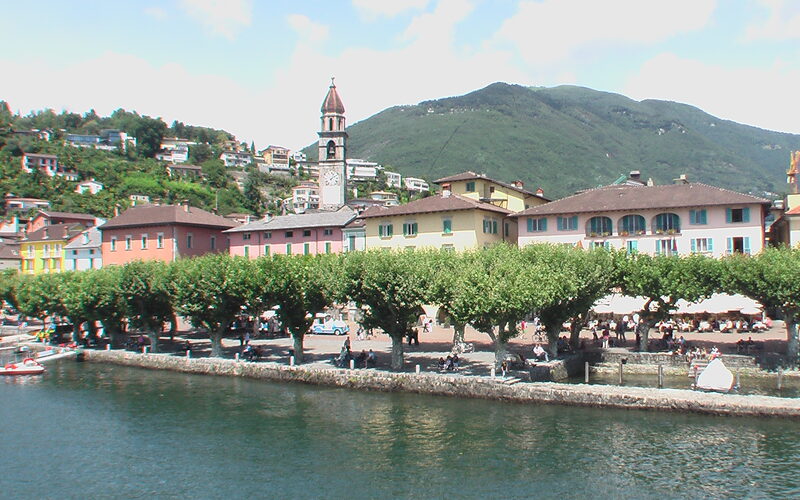 Ascona
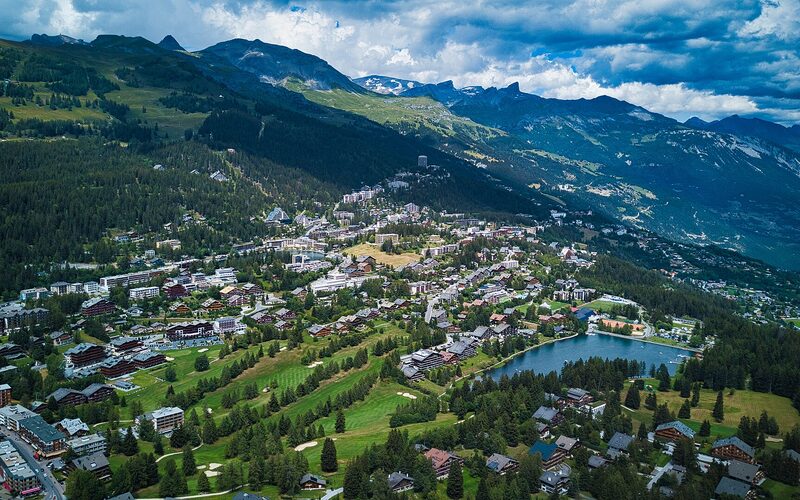 Crans-Montana
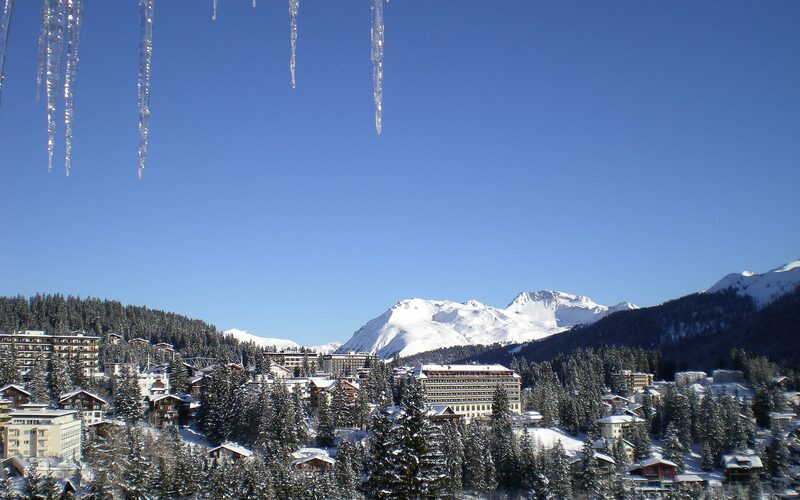 Arosa
Arosa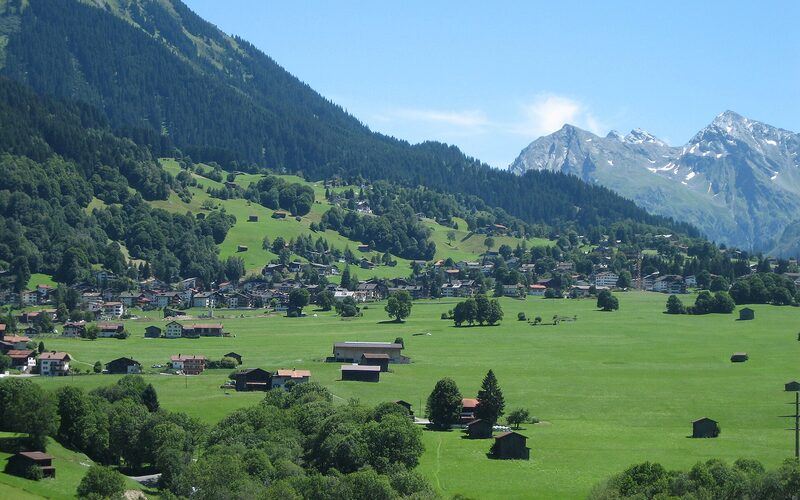 Klosters
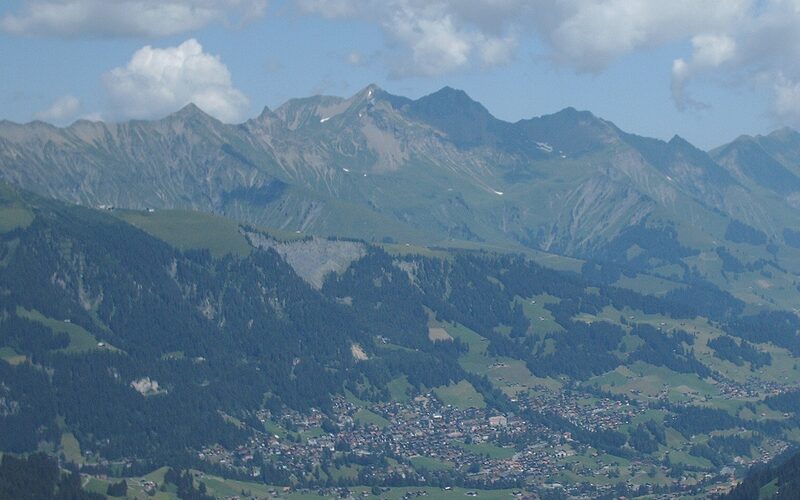 Adelboden
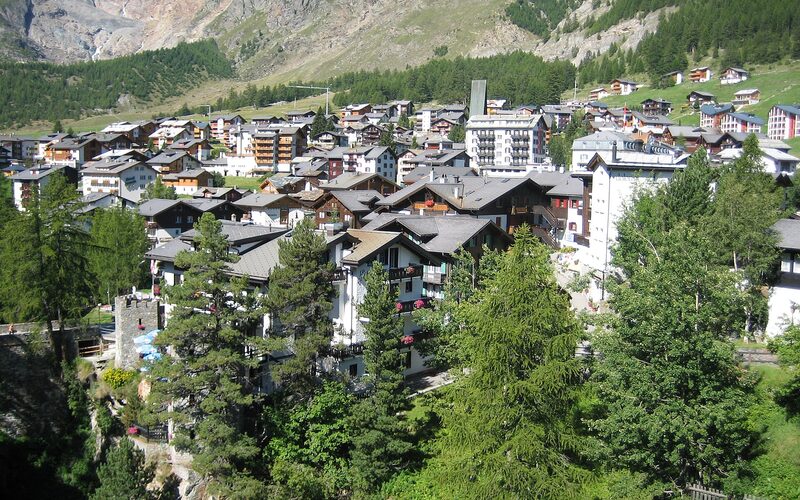 Saas-Fee
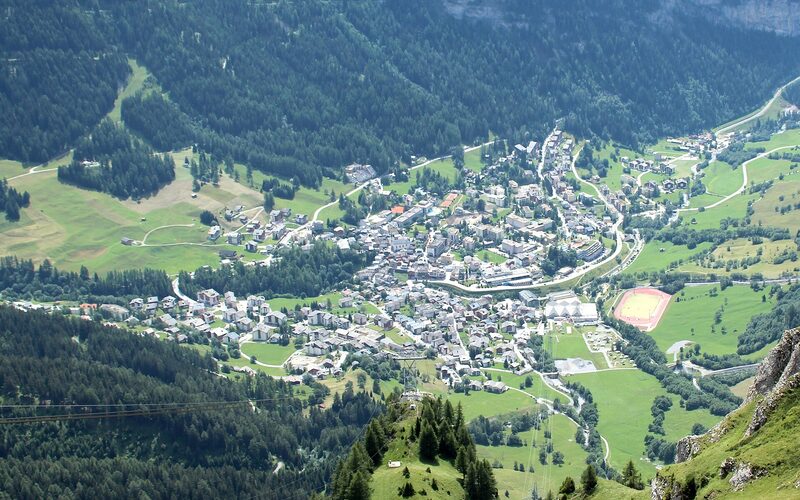 Leukerbad
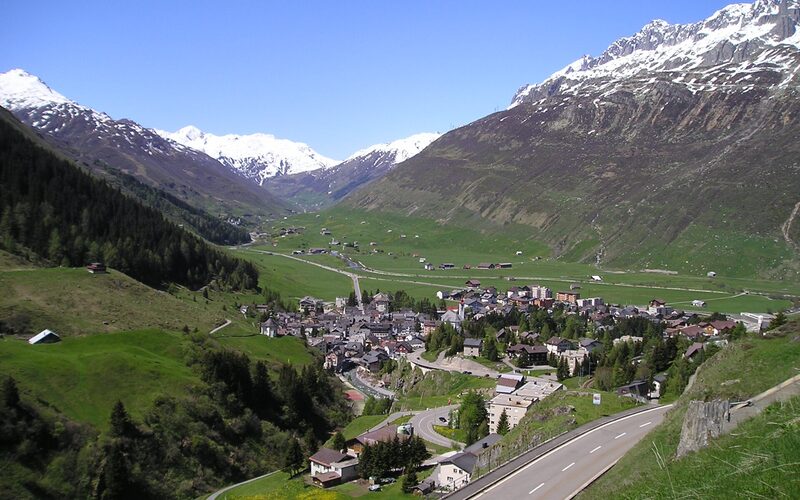 Andermatt
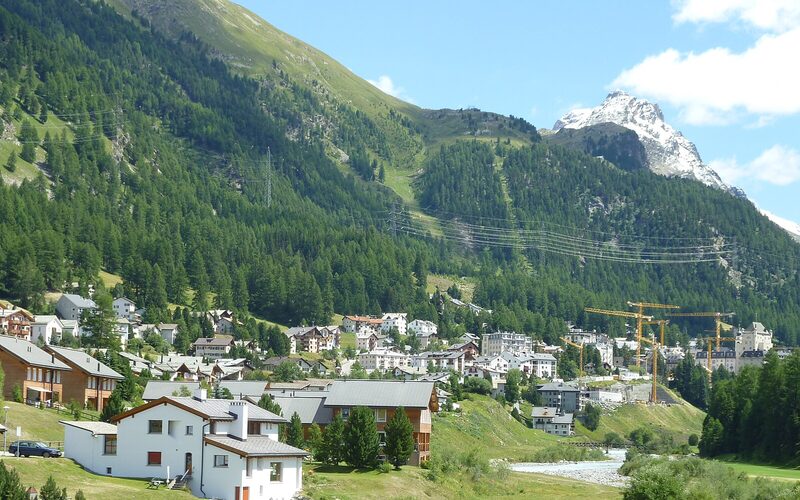 Pontresina
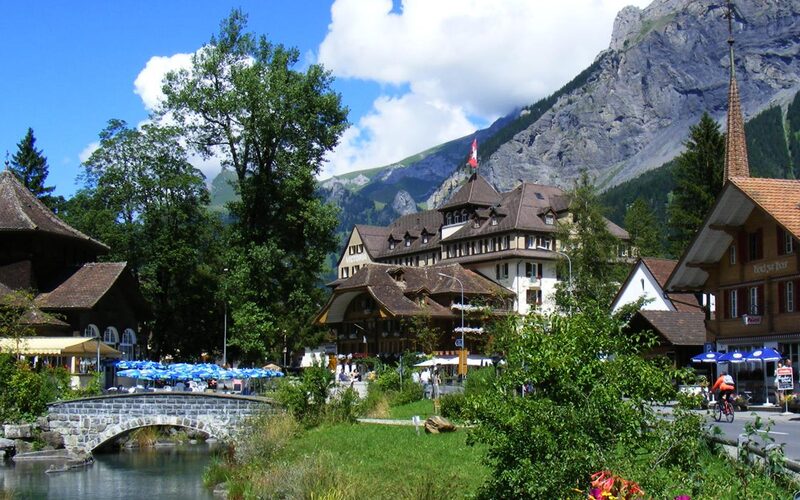 Kandersteg
Prices come from the big booking sites at once. We earn a commission when you carry on to one of them; it costs you nothing. · Photographs from Wikimedia Commons
What the Stars Actually Buy You
Swiss hotel stars are awarded by HotellerieSuisse against a published checklist, not by a booking site's guesswork. Three stars means a reception staffed at set hours, a proper breakfast and a room cleaned daily. Four adds longer reception hours, room service and a restaurant. Five adds a concierge and twenty-four-hour service.
A hotel that shows no stars is not necessarily worse. Membership of the scheme is voluntary and costs money, so many small mountain guesthouses, city boutiques and family-run inns simply never joined. Read the reviews for those rather than the rating.
The Swiss Lodge label, which some smaller houses carry instead, sets a floor on cleanliness and comfort without the service requirements. It is common in ski villages, where an unclassified room can be excellent and the four-star hotel down the road sells the same view for twice the price.
- 1.Stars describe facilities, not the room. A three-star with a renovated bathroom beats a tired four-star, and only the photographs and recent reviews will tell you which is which.
- 2.In the mountains, ask whether the lift and the ski bus stop are within walking distance. It matters more than a star on the door in February.
When Swiss Hotel Prices Fall
Switzerland runs two peaks. The mountains are dearest from Christmas to the end of February and again in July and August; the cities fill on weekdays with business travellers and empty at weekends. That gives you two cheap windows: a city at the weekend, and a resort between seasons.
The shoulder months are May, June, October and November. Lifts and mountain restaurants shut for part of that time, but hotel rates in Zermatt, Grindelwald or Verbier can halve, and the same room in Zurich or Geneva costs less on a Saturday than on a Tuesday.
Trade fairs and congresses move prices more than the season does. Basel during Art Basel or the watch fair, Geneva during the motor show or a UN summit, Davos during the World Economic Forum in January — rooms triple and the nearest available bed can be forty minutes away by train.
- 1.Check the local event calendar before you fix a date. Moving a city trip by a single week is often the largest saving available to you.
- 2.Half-board rates in mountain hotels are usually cheaper than the same dinner bought separately, because restaurant prices in a ski village are their own kind of shock.
The Tourist Tax on Every Bill
Every guest pays a visitor's tax — Kurtaxe, taxe de séjour, tassa di soggiorno — set by the municipality and charged per person per night. It runs from roughly CHF 2 in a small town to CHF 7 in a major resort, and it is almost never included in the price you saw when booking.
It is not a hidden fee so much as a local one, and in many places it buys something back. Ticino gives every guest the Ticino Ticket, free travel on trains, buses and boats across the canton. Geneva hands out the Geneva Transport Card. Bern, Basel, Lucerne, Zermatt and others do the same in their own form.
Children are charged at a reduced rate or not at all, depending on the commune. The tax appears at checkout, is payable in cash or by card, and is separate from the 3.8 per cent VAT rate that applies to accommodation.
- 1.Ask for the transport card at check-in rather than at checkout. It is worth more than the tax on any day you use it, and hotels do not always offer it unprompted.
- 2.Budget CHF 4 to 5 per person per night on top of the room rate. Over a family week it is the difference between a rounding error and a real number.
Booking, Cancelling and the Alternatives
Comparing across the booking sites is worth the two minutes it takes: the same room routinely differs by twenty to thirty francs between platforms, and a hotel's own site sometimes undercuts all of them because it pays no commission. Compare first, then check the hotel's own page before you commit.
Free cancellation is the Swiss default and usually costs ten to fifteen per cent more than the prepaid rate. In winter, when a storm can close a pass or a road, that margin buys you the ability to change your mind.
Beyond hotels there is a well-run middle: Swiss Youth Hostels have private family rooms and are nothing like a dormitory stereotype, mountain huts of the Swiss Alpine Club take walkers for a fraction of valley prices, and Airbnb is legal but regulated by each commune, with several tourist towns capping short-term lets.
- 1.Rooms in Switzerland sell out earliest for the last week of December and for the February school holidays, which are staggered by canton. Book those before the autumn.
- 2.A hotel a stop or two down the valley, with the train fare added, is frequently cheaper than the same standard in the resort centre — and Swiss public transport runs late enough to make it painless.