Mobile and eSIM
Mobile service in Switzerland: prepaid or contract, the three networks and the cheaper brands on them, an eSIM before you land, and why EU roaming rules do not apply here.
Mobile data before you land
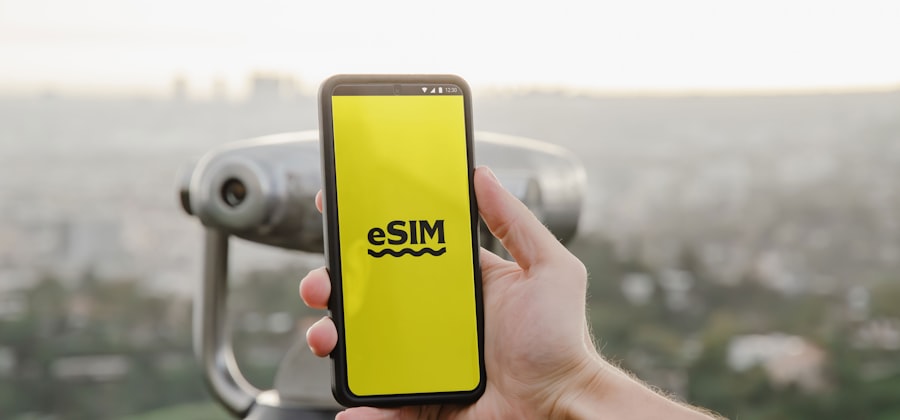
An eSIM you activate from your own phone, so you have data the moment you arrive — no queue, no plastic SIM.
Compare eSIM plansPrepaid or a Contract
Switzerland has two ways to buy mobile service. Prepaid needs nothing but a passport and works the day you land. A contract, an Abonnement, is cheaper per month but asks for a residence permit, a Swiss address and often a bank account, so it is out of reach in your first weeks.
The three networks are Swisscom, Sunrise and Salt. Everything else — Yallo, Wingo, M-Budget, Lebara, Coop Mobile, Digital Republic — rents capacity from one of them, which is why a cheap brand can have the same coverage as an expensive one.
Contract prices fall a long way once you look past the three main brands. The same Sunrise network sold under the Yallo name often costs less than half, with the difference showing up in customer service rather than in signal.
- 1.Do not sign a two-year contract in your first month. Start prepaid, learn which network works where you actually live and travel, and switch once you know.
- 2.Ask which network a budget brand runs on before buying. In the mountains and on some rural lines the difference between them is real.
An eSIM Before You Land
An eSIM is a SIM card installed by scanning a code rather than by putting plastic in a slot. You can buy one from your sofa the night before you fly and land with data already working, which matters most in the hour when you need a map, a taxi app or the address of your hotel.
It is the sensible way to cover the gap between arriving and sorting out a proper Swiss line. Most eSIM plans are data-only: they give you internet but not a Swiss phone number, so calls go through WhatsApp or similar rather than through the network.
Almost every recent phone supports it, but not all — and a phone locked to a carrier may refuse. Check your device before buying anything.
- 1.Buy the eSIM but install it on arrival, not before. Many plans start counting from activation, and activating at home wastes the first days.
- 2.Keep your home SIM in the phone alongside the eSIM. Two lines at once is the point of the technology: your usual number still receives messages while data runs on the Swiss plan.
What You Need to Sign a Contract
Operators ask for a passport or ID, a residence permit, and a Swiss address. Most run a credit check through ZEK or CRIF, and a short residence history is the usual reason a new arrival is refused or asked for a deposit.
A B permit is normally accepted. An L permit shorter than the contract can be, but expect a deposit or a shorter term. Some operators decline outright without a permit, which is another reason to start on prepaid.
Contracts renew automatically and the notice period is typically two or three months before the end of the term. Missing that window rolls you into another year at the old price.
- 1.Put the cancellation deadline in your calendar the day you sign. It is the single most common way people overpay for years.
- 2.A deposit asked for at signing is refundable. Get the condition for its return in writing rather than trusting the counter.
Keeping Your Number
Swiss numbers move between operators. You start the port with the new operator, never the old one, and you must not cancel the old contract first — cancelling releases the number and the port then fails.
The old operator may charge a porting fee, and the switch usually takes a few working days, with a short interruption on the day itself.
A foreign number cannot be ported into Switzerland. If you want to keep it reachable, a dual-SIM phone or an eSIM lets you carry both without carrying two handsets.
- 1.Time a port for a day you do not need the phone for work. The gap is short but it is not nothing.
- 2.Prepaid numbers can be ported too, which people often do not realise until after they have thrown the old SIM away.
Roaming, and Why the EU Rules Do Not Apply
This catches almost everyone. Switzerland is not in the EU, so the rule that abolished roaming charges inside the union does not cover it. A Swiss plan used in Germany, and an EU plan used in Switzerland, can both be billed as roaming.
Swiss operators sell packages that include European roaming, and the cheaper brands often do not. If you cross borders regularly — and in Basel or Geneva you may cross one on a bus — that difference matters more than the monthly price.
The reverse trap catches visitors: an EU SIM in Switzerland is charged at non-EU rates unless the plan explicitly names Switzerland, which many do not.
- 1.Near the French and German borders a phone can latch onto a foreign mast while you are still in Switzerland. Turning off automatic network selection prevents a surprising bill.
- 2.Check whether Liechtenstein is included; it is usually treated separately from both Switzerland and the EU.
Coverage in the Mountains
Swiss coverage is excellent by any standard, including in places it has no business being — most major passes, most valleys, and inside the long rail tunnels. It is one of the few countries where a train journey does not mean losing signal.
Where it thins is in narrow side valleys, on hiking routes above the tree line, and in deep underground car parks. The networks differ there, and Swisscom generally holds up best in remote terrain.
Data speeds are high and data caps are the real limit rather than coverage. Unlimited plans are common and worth it if you use the phone for navigation and video.
- 1.Download offline maps before a hike regardless of your operator. Signal in a valley is not a plan.
- 2.Coverage maps for all three networks are published and searchable by address, which is worth checking against where you will actually live.
Internet at Home
Home internet is sold separately from mobile, usually as fibre or cable, and the building decides what you can have more than the operator does. Ask the landlord or the neighbours what is already installed before comparing offers.
Installation can take weeks in an older building and minutes in a new one where the socket is live. If you need to work from day one, a mobile router or a generous phone plan bridges the gap.
Bundles that combine mobile and home internet are heavily discounted, but they also lock the two together: leaving one means renegotiating both.
- 1.Check the notice period on home internet separately from mobile. They are often different lengths in the same bundle.
- 2.A Swiss address usually already has a fibre socket. Finding it before ordering saves an installation charge.