Find a home in Switzerland
Partner · ImmoScout24Search the country's best-known property portal: apartments, houses and new builds to rent and to buy, in every canton.
Do you want to advertise a property?
Place your own advert for an apartment or a house on Switzerland's best-known property portal — for private owners, landlords, and tenants looking for someone to take over the lease.
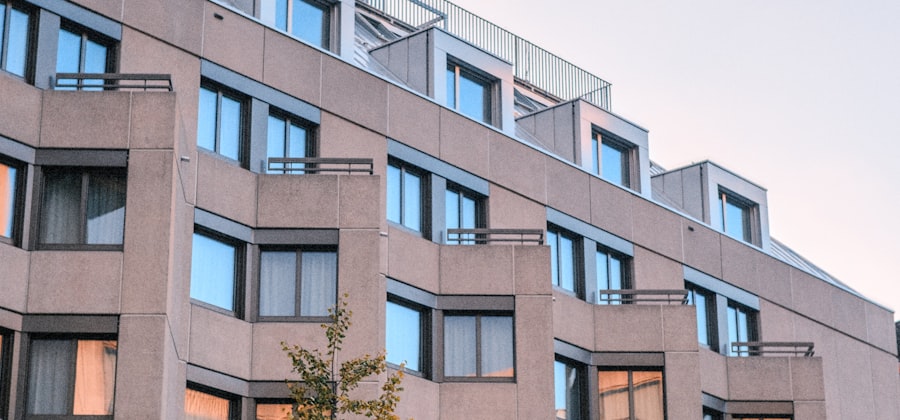
Flats and houses in Switzerland
Homes to rent and to buy in every canton, from the country's main property portal.
Search propertiesRenting an Apartment
Switzerland is a rental-heavy market, especially in major urban areas where competition is intense and vacancy rates can be extremely low. Apartments are often less finished than newcomers expect, so it is important to confirm exactly what is included before signing.
The main platforms for searching are Homegate, Immoscout24, Comparis, and Flatfox. Good listings can move very quickly, which is why alerts, fast replies, and flexible viewing availability matter.
A strong application dossier usually includes a debt-enforcement extract, salary records, residence documentation, references, and a short personal introduction. Landlords typically expect housing costs to remain around one-third of gross household income.
- 1.Start apartment hunting early. The best listings often disappear within days rather than weeks.
- 2.Carry a complete dossier to viewings so you can apply immediately instead of losing time afterward.
Mietkaution (Rental Deposit)
Swiss landlords usually require a rental deposit equal to one to three months of rent. The standard structure is a blocked deposit account in the tenant's name, which neither side can access freely during the tenancy.
Deposit guarantee insurers provide an alternative if you do not want to tie up cash. In that model, you pay an annual premium while the provider issues a guarantee certificate to the landlord.
At move-out, the deposit should be released once claims are settled. If a landlord raises deductions, those claims should be tied to the signed handover protocol and documented damage, not vague wear-and-tear complaints.
- 1.Keep all deposit documents and handover paperwork. They are essential if release becomes delayed or disputed.
- 2.Take detailed move-in photos immediately so you have evidence if damage claims appear later.
Average Rental Prices by Region
Rental prices vary sharply by city, canton, and even commune. Zurich and Geneva lead the market, while smaller cities and rural areas can be far more manageable. The total cost picture matters more than the listed base rent alone.
Nebenkosten usually sit on top of the base rent and cover heating, water, common maintenance, and similar building expenses. Electricity often remains separate and should be budgeted independently.
When comparing locations, transport costs, tax rates, and access to services can outweigh a cheaper headline rent. Moving slightly outside a city center sometimes reduces monthly rent but increases total monthly living cost.
- 1.Check all-in living cost, not only net rent. Commuting and local tax differences can reverse the apparent savings.
- 2.Use local rent calculators and comparisons before signing to see whether a listing is above market level.
Moving Checklist
Moving in Switzerland requires planning across landlord notice periods, moving companies, registration deadlines, and utilities. The earlier you start, the easier it is to book good movers and avoid stress around handovers.
A few weeks before the move you should arrange mail forwarding, deregistration or re-registration steps, internet activation, address updates, and moving-day logistics. The handover protocol at the old and new apartment is especially important.
Within the first days at your new address, municipality registration and provider updates should be completed quickly. Administrative tasks after a move often have legal or billing consequences if delayed.
- 1.Book movers away from month-end if possible. The first and last days of the month are the busiest and most expensive.
- 2.Review the handover checklist in advance so nothing is missed when the landlord inspects the apartment.
Tenant Rights & Nebenkosten
Swiss tenancy law offers strong protections. Rent increases, terminations, and defect claims all follow formal rules and can be challenged at the tenancy conciliation authority if necessary.
Nebenkosten should be transparent. Landlords generally need to provide annual statements and tenants can request to inspect supporting invoices if the charges seem incorrect.
Joining the Mieterverband is one of the most practical decisions for renters. It gives access to legal guidance, lease review, dispute support, and template letters for common rental situations.
- 1.If you discover a defect, notify the landlord in writing immediately. Written timing matters for rent-reduction claims.
- 2.Review the annual utility statement carefully instead of assuming it is correct by default.
Related Guides
Step-by-step guides for this topic in Switzerland.