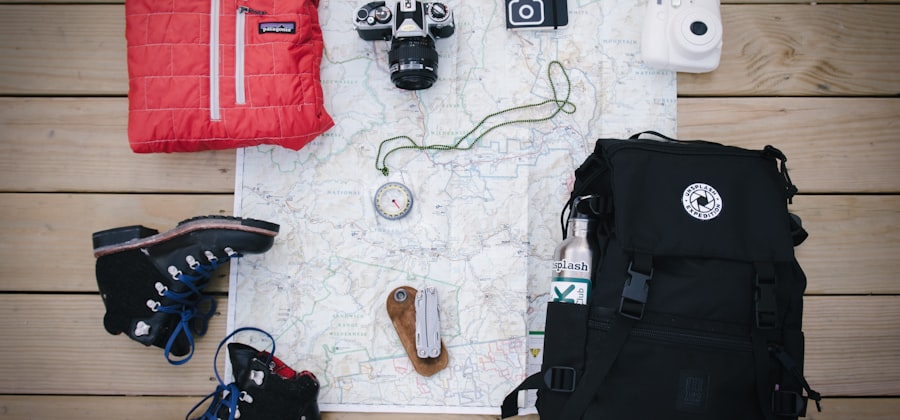
Outdoor and camping equipment
Equipment for hiking, camping and survival, and original Swiss army items, from a Swiss shop.
Visit the shop
Jewellery that lasts
Timeless pieces — necklaces, rings, earrings — made to be worn every day rather than kept for occasions. Shipped to Switzerland from Berlin.
See the collectionMajor Supermarkets
Swiss grocery retail is led by Migros and Coop, which together dominate most household shopping. Migros is famous for its private-label range and for not selling alcohol or tobacco, while Coop offers a comparable product range plus alcohol and a broader premium selection.
Discount chains such as Aldi, Lidl, and Denner are important for keeping costs down. They usually undercut the major supermarkets on staples while still providing good quality. Premium and organic shoppers often rely on specialty food halls and chains like Globus Delicatessa or Alnatura.
Standard Swiss supermarket hours run Monday to Saturday, with Sunday closures still common outside stations, airports, and tourist areas. Bahnhof shops are the main exception when you need groceries on Sundays or late evenings.
- 1.Register for Cumulus and Supercard on day one. They are free and quickly become part of everyday Swiss shopping.
- 2.Aldi and Lidl are usually best for basics, while Migros and Coop are stronger for fresh produce and Swiss-specific products.
Shopping Centers & Malls
Large Swiss shopping centers combine fashion, electronics, dining, and leisure under one roof. Major examples include Sihlcity and Glattzentrum near Zurich, Westside in Bern, Balexert in Geneva, and Mall of Switzerland near Lucerne.
Luxury retail is concentrated in areas such as Bahnhofstrasse in Zurich and Rue du Rhone in Geneva, where flagship boutiques sit alongside Swiss watch and jewelry brands. These districts are among the most visible high-end retail zones in Europe.
For electronics and home goods, MediaMarkt, Interdiscount, Digitec, IKEA, Pfister, Livique, and Micasa remain the most practical names to know. Physical showrooms are useful because Swiss furniture and electronics returns can involve stricter logistics than expected.
- 1.January and July sale periods usually offer the strongest discounts across fashion and department stores.
- 2.Check whether your preferred mall includes free short-term parking or transport discounts before visiting.
Markets & Local Shops
Weekly markets remain an important Swiss shopping tradition. They are ideal for fresh produce, artisan bread, flowers, cheese, and regional specialties sold directly by farmers and small producers.
Farm shops and self-service village stands are common in rural areas, often relying on cash boxes or TWINT and operating on trust. Organic chains and specialist shops also play a large role for residents prioritizing local or health-oriented products.
Seasonal markets are especially important culturally. Christmas markets, harvest festivals, and city-specific traditions like Bern's onion market turn local shopping into a social event as much as a retail activity.
- 1.Arrive early at Saturday markets for the strongest produce selection and the shortest queues.
- 2.Carry reusable bags and some cash or TWINT because not every small vendor accepts cards.
Online Shopping
Swiss online shopping is dominated by Digitec/Galaxus, which offers strong logistics, transparent pricing, and reliable returns. Migros Online, Coop@Home, and Brack are also major names for groceries, electronics, and general household goods.
Buying from abroad is common but can trigger customs and VAT costs. Swiss residents should always check import thresholds, shipping fees, and return conditions before ordering from non-Swiss retailers.
For second-hand purchases, Ricardo, Tutti, Facebook Marketplace, and charity-run Brockenhaus stores are core channels. They are particularly useful for furnishing apartments without paying full Swiss retail prices.
- 1.Check whether a Swiss version of a retailer exists before ordering from abroad. It often avoids customs friction and easier returns.
- 2.Second-hand platforms are one of the best ways to reduce setup costs when moving into a new apartment.
Discount Tips & Saving Money
Although Switzerland is expensive, residents use many practical saving strategies. Cross-border shopping remains common for people near Germany, France, or Italy, where groceries and household items can be significantly cheaper.
Loyalty systems matter more than many newcomers expect. Cumulus, Supercard, and related credit cards or partner programs can create meaningful annual savings, especially for regular household spending.
Daily-deal platforms, reduced-price sections, Too Good To Go, and comparison sites such as Toppreise all help reduce Swiss living costs without changing overall shopping habits too drastically.
- 1.Check evening reduction shelves in supermarkets. Swiss stores often mark near-expiry items down aggressively.
- 2.Use weekly supermarket apps or flyers before the main grocery run. Promo cycles are predictable and worth planning around.
Dining & Restaurants
Swiss dining reflects the country's multilingual and international character. Traditional dishes such as fondue, raclette, rosti, and Zurich-style veal still define classic menus, but urban areas offer very broad international options.
Restaurant prices are high by international standards, so many residents rely on daily menus, university canteens, corporate cafeterias, or supermarket deli counters for affordable weekday meals. Fast-casual chains and takeaway concepts fill the middle ground.
Tipping is modest because service is already included in menu prices. Reservations are still recommended for popular places, and it is common for restaurants to close between lunch and dinner or to keep one weekly closing day.
- 1.Choose the daily menu when available. It is usually the best-value way to try a restaurant in Switzerland.
- 2.If your employer offers Lunch-Check or similar meal benefits, use them widely because thousands of venues accept them.