Find a car in Switzerland
Partner · AutoScout24Search the country's largest marketplace: more than 160,000 new and used cars from dealers and private sellers in every canton.
Do you want to sell a car?
An advert placed on AutoScout24 appears on anibis.ch and comparis.ch as well, and the vehicle registration document fills most of the form in for you.
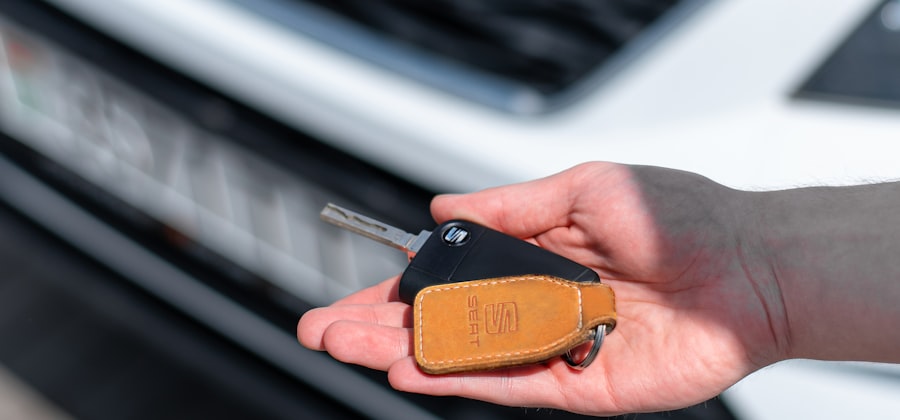
Buying a car in Switzerland
The country's largest listing site for new and used cars, with dealers and private sellers in every canton.
Browse carsConverting a Foreign Driving License
Foreign driving licenses are usually valid in Switzerland for twelve months after residence begins. After that, conversion to a Swiss license becomes mandatory. The exact process depends on the country that issued the original license.
EU and EFTA licenses can generally be exchanged directly. Some non-EU licenses are also recognized for direct conversion or for a reduced testing process, while others require both the theory and practical exams.
The road traffic office will usually ask for an eye test certificate, identity documents, residence evidence, and a certified translation if the license is not in a Swiss national language. Starting early is important because missing the deadline can make the process much harder.
- 1.Do not wait until the last month. Start the conversion process early enough to handle appointments and document issues.
- 2.Check the exact canton rules for your nationality before assuming you qualify for direct exchange.
Getting a New Swiss License
New drivers, and people who must complete the full Swiss licensing process, go through several formal steps. These include first-aid training, an eye test, a learner permit application, the theory exam, mandatory traffic-awareness classes, and the practical exam.
After passing the driving test, most new drivers receive a probationary license. During this period, additional advanced driving training is required before the final permanent license is issued.
Preparation matters because the Swiss system is structured, document-heavy, and not especially cheap. Budgeting for lessons, exams, and the mandatory courses helps avoid surprises.
- 1.Use a current Swiss theory app with the official-style question bank instead of relying on outdated PDFs.
- 2.Ask your instructor to rehearse the real test environment and routes commonly used in your canton.
Car Registration (Immatrikulation)
Bringing a car into Switzerland or buying one locally involves customs, technical compliance, insurance proof, and cantonal registration. Importing a vehicle can trigger duties and VAT unless it qualifies under household-goods exemptions.
Used-car buying is common through dealer and private platforms, but documentation matters. Service history, inspection reports, and an independent vehicle check can save substantial repair costs later.
Registration requires valid insurance, inspection compliance where applicable, identity documents, and fee payment. Swiss license plates usually stay with the owner rather than the vehicle, which is an important difference for newcomers.
- 1.If you are importing a personal car, confirm household-goods exemption eligibility before paying avoidable customs costs.
- 2.A pre-purchase inspection is worth the money on any used vehicle you are not fully confident about.
Vehicle Inspection (MFK)
The MFK is the mandatory technical inspection that checks whether a vehicle remains roadworthy. Inspection frequency depends on vehicle age, and older cars are checked more often.
If the vehicle fails, repairs must be completed within the specified follow-up period and the car must return for re-inspection. Typical failure areas include brakes, lights, emissions, tires, and suspension.
A pre-MFK garage check is a common and sensible step, especially for older cars. It catches fixable issues before the official appointment and reduces the chance of a failed inspection.
- 1.Book a garage pre-check a couple of weeks before the MFK so you still have time for repairs.
- 2.Do the basic obvious items first: lights, tire tread, wipers, and warning lights.
Vehicle Insurance
Swiss law requires at least third-party liability insurance for every registered vehicle. Many owners also choose partial or full comprehensive cover depending on vehicle age, value, and risk tolerance.
Premiums depend on the vehicle, parking situation, driver profile, claims history, and insurer bonus level. Bringing proof of a clean claims record from another country can help reduce costs with some providers.
Roadside assistance and traffic legal protection are often bundled through insurers or organizations such as TCS. For many residents this adds useful value beyond the core insurance premium.
- 1.Bring written proof of your no-claims history when moving to Switzerland. It can improve your starting premium level.
- 2.Compare both insurers and memberships such as TCS, especially if you want roadside support as part of the package.
Parking Rules & Solutions
Swiss parking rules are enforced strictly. Blue zones, white paid zones, resident permits, and local time restrictions all need to be understood before regular city driving becomes stress-free.
Residents in many communes can apply for neighborhood parking permits, while city-center garages and park-and-ride options provide alternatives for commuters and occasional drivers. Parking apps have become standard in most larger cities.
For people who do not need a private car every day, Mobility and other sharing options can be dramatically cheaper than ownership. This is especially true in cities with strong public transport and expensive long-term parking.
- 1.Keep a parking disc in the car at all times because blue-zone rules are common and easy to forget.
- 2.If you drive only occasionally, compare Mobility membership against the true annual cost of owning and parking a private car.
Related Guides
Step-by-step guides for this topic in Switzerland.